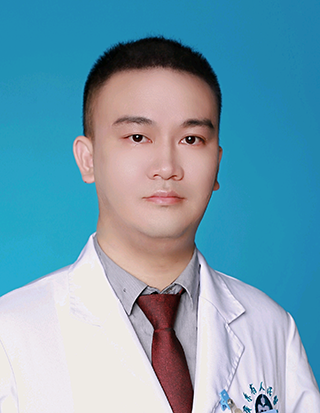
In 2012, he graduated from the Department of Gastroenterology of Sun Yat-Sen University as Medical Doctor, and then has been engaged in both clinical and fundamental research on digestive tract diseases for more than 10 years. He is an expert in the diagnosis and treatment of unexplained abdominal pain, digestive system psychosomatic diseases, gastroesophageal reflux disease, digestive tract tumors, inflammatory bowel disease, hepatobiliary diseases and pancreatic diseases. He is proficient in gastrointestinal endoscopy and treatment, and especially specializes in translational medicine and the diagnosis as well as treatment of intestinal diseases.
He served as the principal investigator of ten national/provincial research programs, including two projects from the National Natural Science Foundation of China, with the total research funding reaching over ¥10,500,000. He has published more than 20 papers indexed by SCI in various journals as the first/corresponding author, including one of the four leading medical journals - the British Medical Journal (BMJ) and the Lancet series journal. Research results were reported and commented by top international medical journals - the New England Journal of Medicine (NEJM) and BMJ. He was interviewed by the internationally renowned media Medicine Today, and part of his academic achievements were ranked as the top progress in cardiovascular research globally in 2020 by the Medscience.