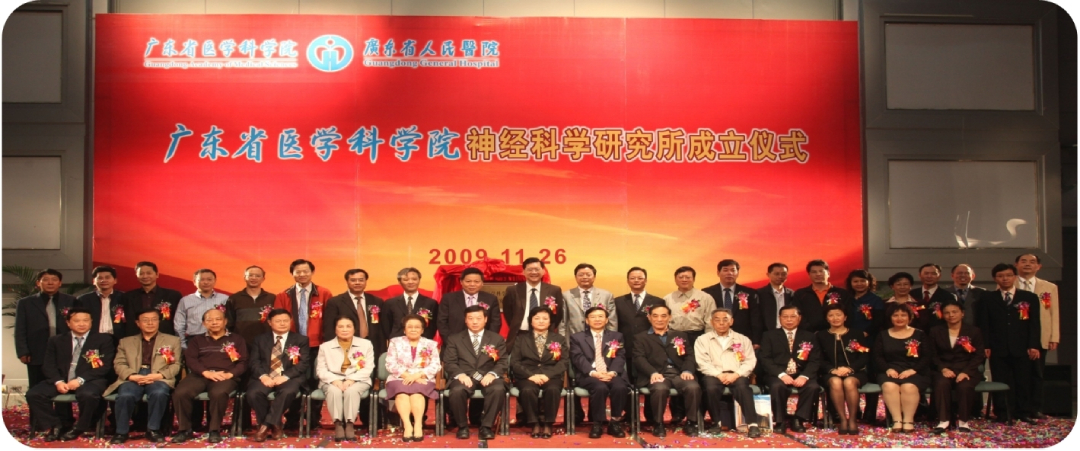
The Guangdong Neuroscience Institute (GNI) was established in Guangdong Provincial People's Hospital/Guangdong Academy of Medical Sciences on November 26, 2009. In accordance with the requirements from People's Government of Guangdong Province and Health Commission of Guangdong Province, the Institute upholds the principle of “unite, cooperate, develop harmoniously”. Disciplines in the institute include neurology, neurosurgery, pediatric neurology, geriatric neurology from Guangdong Provincial People's Hospital, the Brain Research Institute from the University of British Columbia (UBC) and neuroscience-related disciplines in 9 other hospitals in Guangdong province (including Southern Hospital Affiliated to Southern Medical University, Affiliated Hospital of Guangdong Medical College, Guangzhou First People's Hospital, Guangzhou Brain Hospital, Foshan First People's Hospital, Guangdong Second Provincial People's Hospital, Zhujiang Hospital Affiliated to Southern Medical University, Guangzhou Children's Hospital, Shenzhen Children's Hospital, etc.). The Department of Neurosurgery is recognized as Guangdong Key Clinical Department, and is a National Key Clinical Department. The Institute is a post-doctoral co-training base and an educating center for doctoral and master's degree candidates.
The Institute has conducted academic exchanges frequently with various overseas universities and research institutions such as the Brain Research Institute of the University of British Columbia, McGill University, Harvard Medical School, Royal Melbourne Hospital, University of Melbourne, and Johns Hopkins University, including exchange of visiting professors and scholars, and joint training of graduate students. Many experts including Prof. Song Weihong from the Brain Research Institute of the University of British Columbia, Prof. Luciano from the Neurosurgery Department in Cleveland Hospital, Prof. Andrew John Lees from University College London, Prof. Huang Jiaxing from Chinese University of Hong Kong, Prof. Rouxian Chen from Chang Gung Hospital in Taiwan, Prof. Juebin Huang, Prof. Zixu Mao, Prof. Yanfang Chen, and Prof. Jiankang Liu from the United States have been invited for exchanges.
In the past 5 years, the Institute has obtained nearly 40 projects supported by national research funds from the National Key R&D Program of China, the National Natural Science Foundation of China, National 863 Programs, National Scientific and Technological Research Projects etc. We also have obtained nearly 300 projects supported by other scientific or technological research funding from local agencies like Guangdong Natural Science Foundation, Guangdong Science and Technology Plan Project, Guangdong Medical Research Foundation, etc. The institute has published more than 100 papers in SCI cited journals, including Circulation, Stroke, Lancet Neurology, Journal of Alzheimer's Disease, Neurobiology of Aging, etc. The team has obtained about 40 important scientific achievements, including the second prize of National Scientific and Technological Progress Award, the first prize of Science and Technology Progress Award by the Ministry of Health, the first, second and third prizes of Guangdong Science and Technology Award, etc. Our experts have written more than 50 treatises as chief editors or editors and gained nearly 20 national patents.
Cerebrovascular disease, neurodegenerative diseases (Parkinson's disease and senile dementia), epilepsy and brain tumors, which endanger the lives and health of the people in our province, are the main research directions of the institute. Experts of the institute from various professional directions have participated in the discussion and formulation of more than 10 national diagnosis and treatment guidelines, such as Consensus of Diagnosis and Treatment of Chinese Posterior Circulatory Disorders, Chinese Guidelines for Diagnosis and Treatment of Parkinson's Disease, Consensus of Experts in the Prevention and Treatment of Cognitive Dysfunction, Consensus of Experts in Diagnosis and Treatment of Vascular Parkinson's Syndrome, etc., as well as standardized diagnosis, treatment and research processes of various neurological diseases, including collection of clinical case information, database establishment, neurological function evaluation (motor function assessment, cognitive function assessment and neuropsychological assessment), neuroimaging assessment (structural, vascular and functional imaging), establishment of the sample bank and conduct of related basic researches, disease prevention and treatment plans making, outpatient follow-up and patient education.
The Institute has established one of the first multi-disciplinary cerebrovascular disease diagnosis and treatment group in China, including neurology, neurosurgery, geriatric neurology and related disciplines. Interventional therapeutics of cerebrovascular diseases (including ischemic cerebrovascular disease, intracranial aneurysms and cerebral arteriovenous malformations, etc.) have been developing vigorously in recent years. We have carried out cerebral digital substraction angiography (DSA), acute ischemic stroke intravenous thrombolysis, emergency thrombectomy, emergency cerebral artery stent placement, catheter-directed thrombolysis for cerebral venous sinus thrombosis, balloon angioplasty, stent implantation for intracranial and extracranial cerebral artery stenosis (including stent implantation for complex lesions), embolization of cerebral aneurysm, embolization of cerebral vascular malformation, arteriovenous fistula embolization, aneurysm clipping surgery, complicated cerebrovascular diseases (combined with arterial stenosis, aneurysms, arteriovenous malformations, arteriovenous fistulas, etc.) interventional therapy, recanalization ofchronic cerebral arteryocclusion, stent implantation for cerebral artery dissection, combined interventional therapy for cardiac, cerebral, renal, peripheral artery, carotid endarterectomy, intracranial hematoma removal, decompression craniectomy, etc. More than 3000 cerebral intervention operations are carried out annually, which is at the forefront in China.
The Institute's future development framework includes two parts, the clinical part and the research part. The clinical part includes neurology, neurosurgery, geriatric neurology, cerebrovascular department, pediatric neurology, neurological intensive care unit, hyperbaric oxygen department, neuroelectrophysiology room, video EEG monitoring room (adult, pediatric), neuropsychological examination room, cognitive function detection room, transcranial magnetic stimulation room, etc. The research part includes cerebrovascular disease research center, Parkinson's disease research center, cognitive impairment research center, epilepsy laboratory, functional neurosurgery laboratory and neuropsychological disease laboratory. The Institute will continue to unite firmly and work hard to actively participate in the "Healthy China Initiative" to protect the health of people and achieve further breakthroughs in clinical and scientific research.
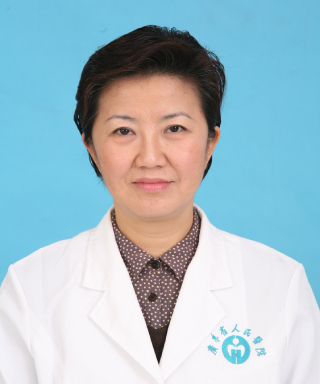
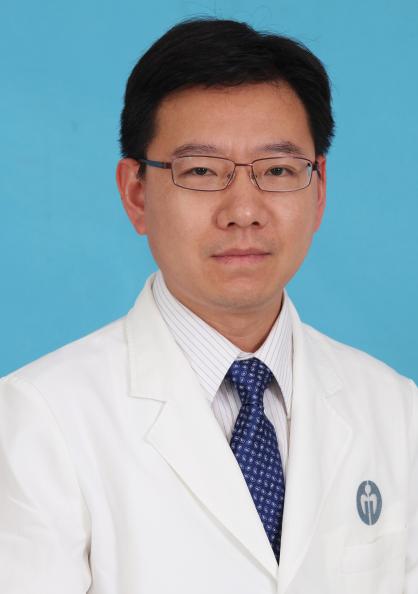
director of the Department of Neurology in Guangdong Provincial People's Hospital and the deputy director of Guangdong Neuroscience Institute.
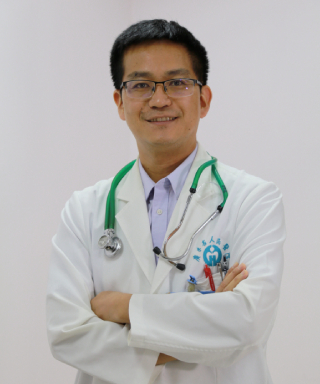
PHD,MD, Associate Chief Physician, Deputy Director, Department of Neurology
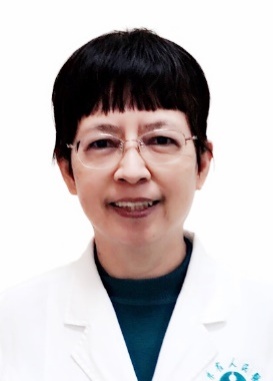
Associate Chief Physician
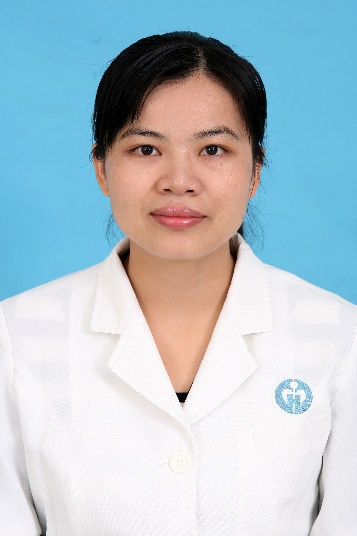
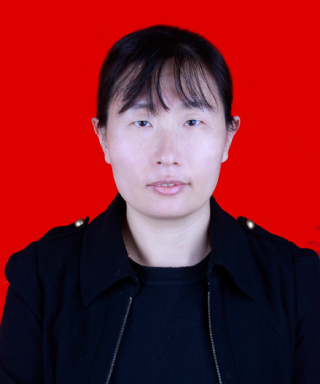
Attending physician
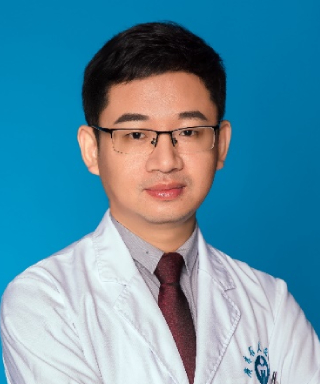
Ph.D, "Outstanding Young Scholar" of Guangdong Provincial People's Hospital (GDPH), is an attending physician from Neurology Department of GDPH and the secretary of Guangdong Neuroscience Institute.
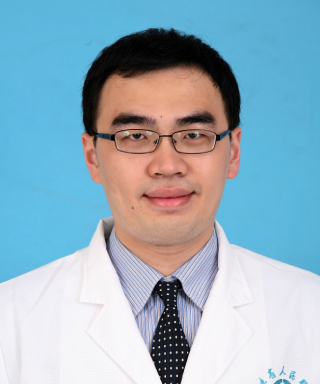
Attending Phyician
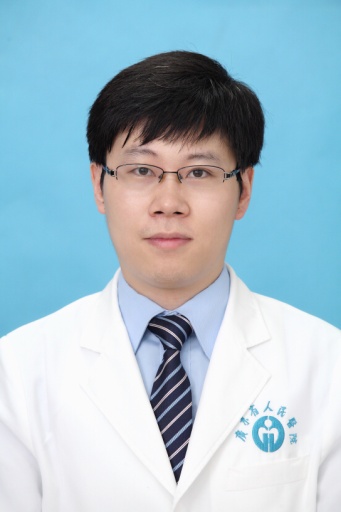
Neurology Resident
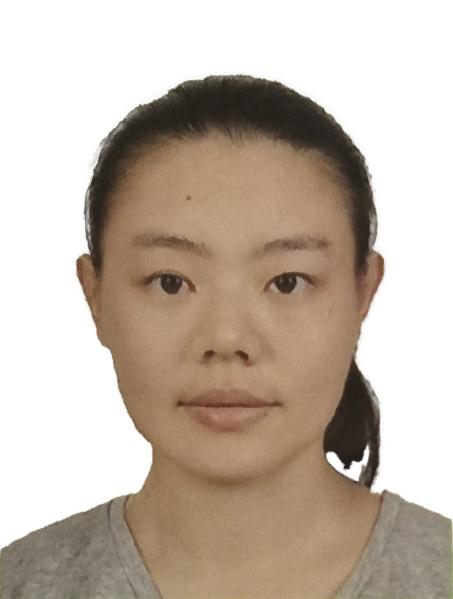

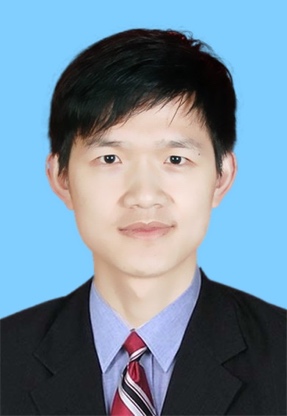
Ph.D, Neurology Resident
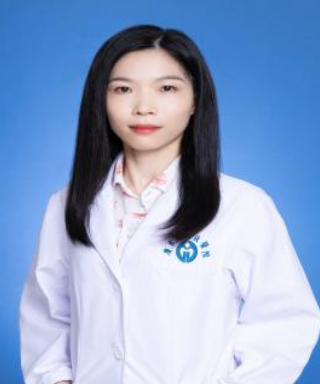
Attending physician